
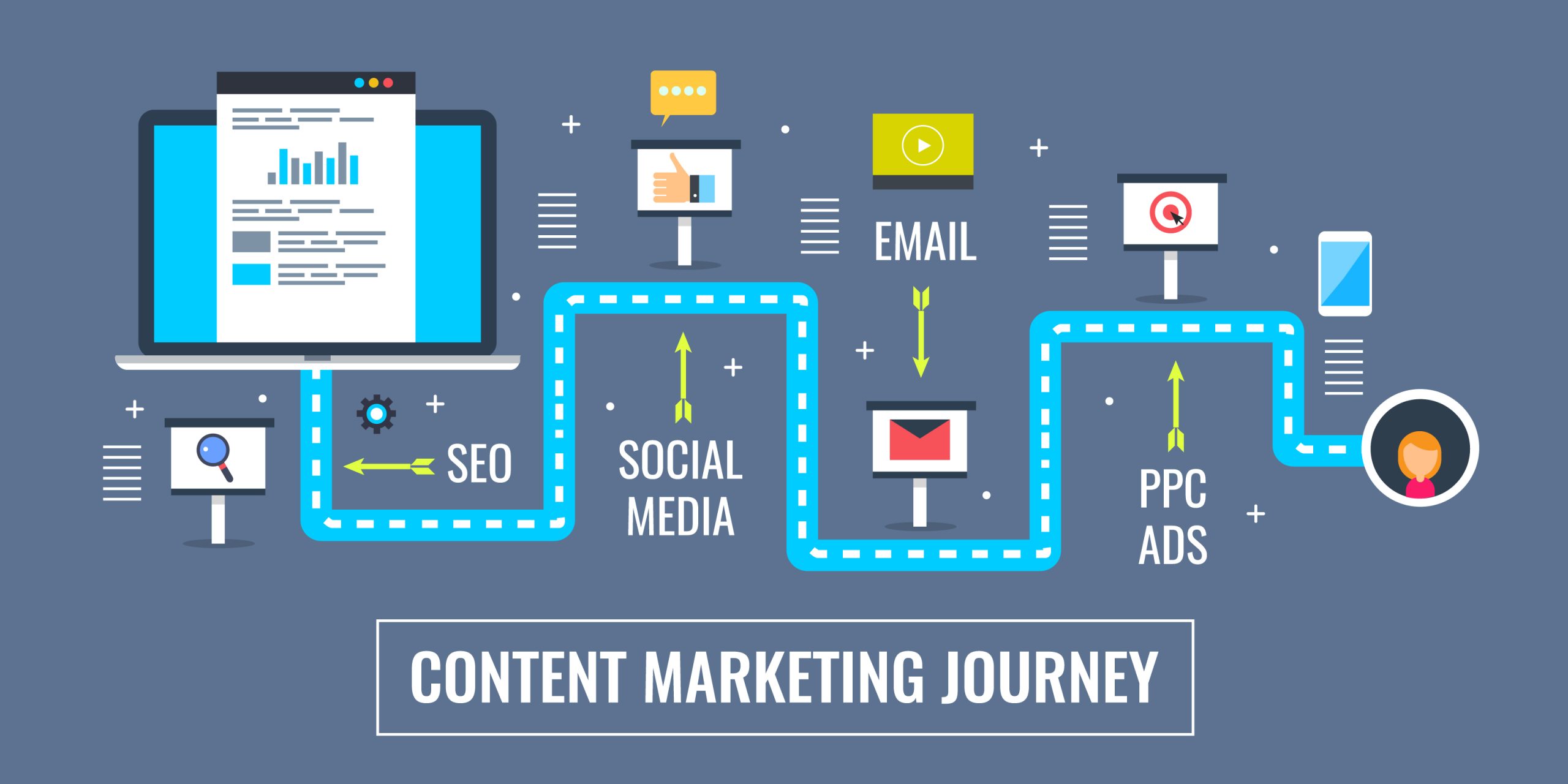
Hook: Confused Between SEO and Content Marketing?
If you’ve ever asked yourself, “Is SEO the same as content marketing?” or “Do I need both?” — you’re not alone. In 2025, many digital marketers still treat them as either/or options. But the truth is: they’re different, and they work best together.
Let’s break it down.
What is SEO (Search Engine Optimization)?
SEO is the process of optimizing your website and content to rank higher on search engine results pages (SERPs). It involves:
- Keyword research
- On-page optimization (titles, meta descriptions, tags)
- Technical SEO (site speed, mobile-friendliness)
- Backlink building
Goal: Increase organic visibility and traffic from search engines like Google, Bing, and even YouTube.
What is Content Marketing?
Content Marketing is a strategic approach focused on creating and distributing valuable, relevant content to attract and retain a target audience.
It involves:
- Blogs
- Videos
- Infographics
- Podcasts
- Email newsletters
Goal: Build trust, nurture leads, and drive conversions by educating and engaging your audience.
Key Differences at a Glance
| Aspect | SEO | Content Marketing |
| Purpose | Boost search visibility | Build trust & drive conversions |
| Focus | Technical & keyword-focused | Value-driven storytelling |
| Type | Optimization strategy | Content creation strategy |
| Main Channel | Search engines (Google, YouTube) | Blogs, social media, email, etc. |
| Longevity | Long-term (depends on algorithm) | Long-term (builds brand authority) |
| Tools Used | Google Search Console, Ahrefs | Grammarly, Canva, Mailchimp |
Why You Need Both in 2025
1. SEO Needs Content
You can’t rank without content. Blog posts, product pages, and even videos need to be optimized for keywords and user intent.
2. Content Marketing Without SEO Misses Organic Traffic
You might have brilliant content—but if it’s not optimized, people won’t find it through search.
3. They Target Different Funnel Stages
- SEO brings new visitors to your site.
- Content marketing nurtures and converts them into customers.
4. They Complement Each Other
- SEO tells you what your audience is searching for.
- Content marketing delivers the answer in a helpful, engaging way.
5. Together, They Boost ROI
Content brings traffic, SEO improves ranking, and together they reduce reliance on ads.
Real-Life Example
Let’s say you run a fitness brand.
- SEO Step: You research the keyword “home workouts for beginners.”
- Content Marketing Step: You write a blog post with a 7-day beginner plan, include a downloadable PDF, and offer a free consultation.
Now you:
- Rank on Google (SEO)
- Build trust and grow your list (Content Marketing)
Tips to Combine SEO + Content Marketing Effectively
- Start with Keyword Research – Use SEO tools to find what your audience is searching.
- Map Keywords to Content Types – Use high-intent keywords for landing pages and educational ones for blogs/videos.
- Create Quality, Long-Form Content – Google prefers in-depth, valuable content.
- Use Internal Links – Keep users engaged and reduce bounce rates.
- Update and Repurpose – Refresh content yearly to keep it relevant.
CTA: Want to Attract and Convert in 2025?
Don’t choose between SEO and content marketing—combine them.
📌 Optimize your content.
📌 Deliver value.
📌 Stay consistent.
👉 Need help building a combined SEO + content strategy? Let’s talk.
FAQs: SEO vs. Content Marketing
Q1: Can I just do SEO without content marketing?
You can rank pages technically, but without valuable content, users won’t stay or convert.
Q2: Is content marketing better than SEO?
They serve different purposes. SEO brings traffic; content marketing converts it. You need both.
Q3: How often should I publish content?
At least once a week is a good benchmark for growing sites.
Q4: Do I need separate tools for SEO and content?
Not always. Some tools like SEMrush, SurferSEO, or Ahrefs offer both SEO and content analysis.
Q5: What’s the first step to take?
Start with keyword research. Then, build a content plan around those terms.
SEO and content marketing aren’t rivals—they’re teammates. When you use them together, you build a brand that ranks, resonates, and converts.